Stories Typewrite: A Timeless Font for Modern Branding
I was recently helping a local bakery refresh their packaging, and it reminded me just how much a great font can elevate a brand. The owner had been using a generic sans serif typeface for years, and while it wasn’t bad, it lacked personality. We needed something that would feel warm, inviting, and slightly nostalgic—something that could make their product stand out on the shelf.
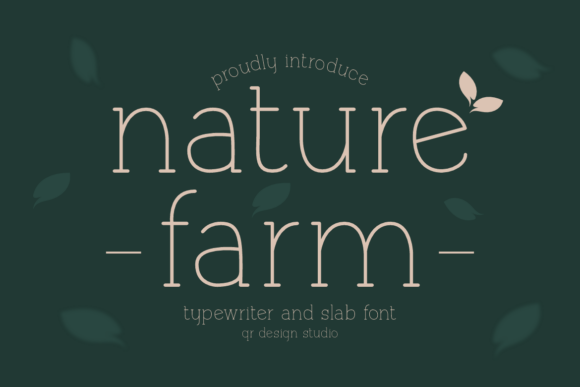
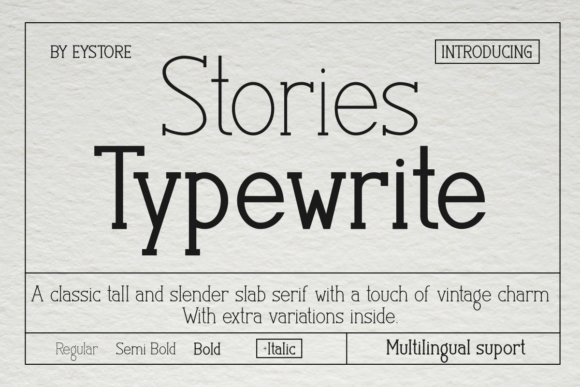
That’s when I discovered Stories Typewrite. It’s a tall and slender slab serif font with a vintage charm that immediately caught my eye. Inspired by classic typewriter aesthetics, this font brings a refined and elegant feel to any design without being overly ornate. It has that perfect balance of character and readability, which is exactly what we needed for the bakery’s new labels and packaging.
A Font That Feels Like a Classic
Stories Typewrite has a visual character that feels like stepping into a well-worn notebook or an old newspaper from the 1950s. Its slender lines and subtle serifs give it a timeless appeal, making it ideal for brands that want to convey a sense of nostalgia, authenticity, or craftsmanship.
The mood it creates is calm and confident. It doesn’t scream for attention but rather invites the viewer to pause and read. This makes it especially effective for headlines, logos, and titles where you want to make an impression without overwhelming the reader.
For the bakery, we used it on the front of their bread boxes and coffee bags. It gave their packaging a more polished look, and customers started commenting on how “chic” the new design felt. It wasn’t just about looking good—it was about feeling trustworthy and memorable.
Where Stories Typewrite Shines in Real Business Materials
This font isn’t just for logos. It works incredibly well across a range of customer-facing materials. Here are some real-life examples of how I’ve used it:
- Product Labels: For a skincare brand, we applied Stories Typewrite to their serum bottles and moisturizer jars. It gave the labels a clean yet sophisticated look that matched the brand’s eco-conscious image.
- Café Menus: A small café wanted to update their menu board. Using this font for the dish names made the menu feel more curated and intentional, which helped increase customer engagement during lunch hours.
- Social Media Graphics: When designing Instagram posts for a handmade jewelry brand, we paired Stories Typewrite with a modern sans serif font for body text. The contrast made the content easier to read while keeping the overall aesthetic cohesive.
- Thank-You Cards: A boutique used this font for their thank-you cards after customer purchases. The result was a personal touch that left a lasting impression and boosted customer satisfaction.
What I love about Stories Typewrite is that it’s versatile enough to work as both display text and supporting typography. It can be the star of the show on a logo or headline, or it can sit quietly behind a cleaner sans serif font for body copy.
Design Tips for Using Stories Typewrite Effectively
While this font is beautiful on its own, it pairs well with other styles. Here are a few font pairing ideas that have worked well in real projects:
- Clean Sans Serif: Pairing Stories Typewrite with a minimalist sans serif like Helvetica Neue or Montserrat creates a balanced look that’s both classic and contemporary.
- Elegant Serif: Combining it with a more traditional serif like Garamond adds depth and sophistication, especially for editorial designs or book covers.
- Handwritten Script: For a softer, more personal feel, try matching it with a cursive script like Pacifico or Great Vibes. This works particularly well for wedding invitations or boutique tags.
When using this font for small labels or mobile screens, keep the text size readable. Avoid overusing it in long paragraphs, as slab serifs can sometimes feel heavy when used too much. Stick to short phrases, headlines, and titles to let the font shine without overwhelming the design.
Before finalizing your design, always check the font’s included styles, file formats, and commercial licensing. Make sure it supports the languages you need and that you’re allowed to use it on printed materials, digital assets, or client projects.
Typography might seem like a small detail, but it plays a huge role in shaping first impressions, brand perception, and customer engagement. With Stories Typewrite, you get a font that not only looks great but also helps your brand feel more professional, consistent, and memorable.